




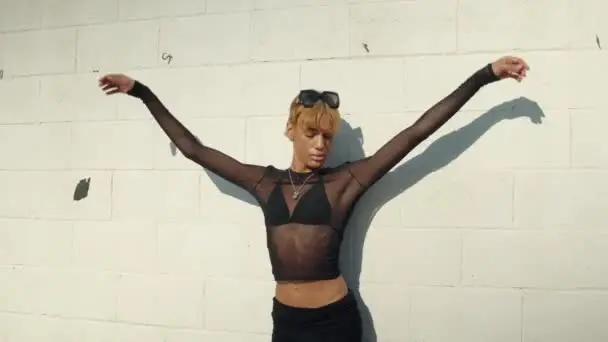
A memorable fictional character will be defined through the specifics around the character. The initial focus on how they visually look at you may draw your eye towards them; however, it is ultimately the environment they exist in, their behaviours, the visual choices made for them, and the repetitive or ongoing characteristics that help define whether a fictional character has enough detail to make the idea feel unique and complete.
There are also many different options for creators to explore with AI creative tools for developing these details. There are numerous categories of fictional AI-generated content (such as specialised platforms like AI shemale porn), and there are many categories of AI-based workflows that can assist developers in creating concepts for characters, illustrations, animations, and visual storytelling.
Start With a Character’s Signature
Each character will have a way of visually standing out for the audience (hairstyle, hair colour combinations, accessories, clothing details, silhouette).
When you create that visual identity, it is best to establish your characters’ visual identity at an early stage in the process so they are easier to recognise as you develop all other scenes and versions.
Think About Visual Consistency
Consistency does not mean every image needs to look identical.
Instead, creators can identify the characteristics that should remain recognisable while allowing other elements to change according to the scene.
This creates flexibility without losing the character’s identity.
Build Around Personal Style
A character’s style can influence how they are presented.
Clothing, accessories, colour choices, and surrounding environments can work together to establish a particular visual direction.
Experimenting with different combinations can help creators discover which choices best represent the intended character.
Use Settings to Reveal New Sides
A change of environment can reveal a different aspect of the same character.
Moving between professional, casual, outdoor, futuristic, or imaginative settings can influence clothing, posture, expression, and composition.
This creates opportunities for variety while preserving the central concept.
Create Visual Associations
Certain elements can become connected with a character through repetition.
A recurring colour, object, location, pattern, or environmental feature can gradually become part of the character’s visual identity.
These associations can help viewers recognise relationships between separate images.
Explore Character Scale
The amount of space a character occupies within an image can affect the overall impression.
A close composition can emphasise facial details and expression, while a wider scene can make the surrounding world more important.
Trying different scales can reveal new ways to present the same character.
Use Props to Add Personality
Objects can provide another layer of character development.
A personal belonging, piece of equipment, decorative item, or other prop can suggest interests and circumstances.
Choosing props that relate naturally to the character can make a scene feel more intentional.
Develop Supporting Characters
A strong central character can become more interesting when placed alongside others.
Supporting characters can introduce contrasting appearances, personalities, roles, or visual styles.
These differences can create additional opportunities for composition and storytelling while making the fictional world feel larger.
Specialised AI Offers Focused Creative Workflows
The AI-generated content landscape continues to expand into specialised categories.
Platforms such as AI shemale porn represent one focused area of fictional AI-generated content, while other tools concentrate on illustration, character development, animation, video, and digital storytelling.
Creators can therefore explore different tools according to the type of project they want to develop.
Experiment With Character Interactions
More of a character’s personality can be revealed by how they interact with others and their surroundings.
A person’s posture; non-verbal gestures (gestures); facial expression; proximity to other characters or objects in their environment, etc., can provide additional insight into what might not be apparent from just looking at them.
Trying out various interactions is one way for creators to come up with new ideas on how to portray a character.
Develop Visual Continuity Across Scenes
Recurring details can connect separate images.
The same character traits, colour palette, accessory, location, or environmental feature can appear across different scenes while other elements change.
This creates a visual thread that helps the project feel connected.
Treat Early Versions as Development Material
The first generation does not need to establish the final character.
It can provide a starting point for examining proportions, styling, composition, environment, and other visual decisions.
Creators can use what they learn from each version to guide subsequent iterations.
Keep the Strongest Characteristics
As a project develops, creators can identify which elements consistently work well.
Those characteristics can become the foundation for future versions, while weaker or unnecessary details can be changed.
This gradual selection process can help transform an initial concept into a more defined visual identity.
Allow New Ideas to Influence the Design
Character development does not always move in a straight line.
A new environment might suggest a different outfit. A supporting character could inspire a new visual contrast. An unexpected composition might reveal a better way to present the original concept.
Allowing these discoveries to influence later versions can keep the process flexible.
Build Beyond Individual Images
A character can eventually become part of a larger creative project.
Recurring locations, supporting characters, objects, visual motifs, and connected scenes can transform individual generations into components of a broader fictional world.
This gives the character opportunities to develop beyond a single image.
Human Direction Remains Central
AI can produce different interpretations, but creators decide which ones have value.
They establish the character’s identity, choose important recurring features, evaluate variations, and determine how the character fits into the wider project.
The technology provides possibilities, while creative judgement determines the final direction.
Final Thoughts
Creating an artificial intelligence (AI)-assisted character is often so much more than just picking what it looks like.
Creating a strong character identity may include signature details of the character; how they present themselves as individuals in terms of their overall aesthetic or ‘look’; where and when they live; objects that are commonly associated with them; other people who are part of their social network; ways in which the viewer will be able to interact with them; whether or not the character’s physical presence is large or small; and finally, if there is consistency across each scene within a larger body of work.
If you create your own individualised ideas for each one of these components separately first, then combine the best of those into a cohesive whole, you can create fictional characters whose identities are unique, flexible, and tied to a larger visual context.
